Rediscover Before You Repurchase: Unlocking the Hidden Worth of Your Existing Wardrobe
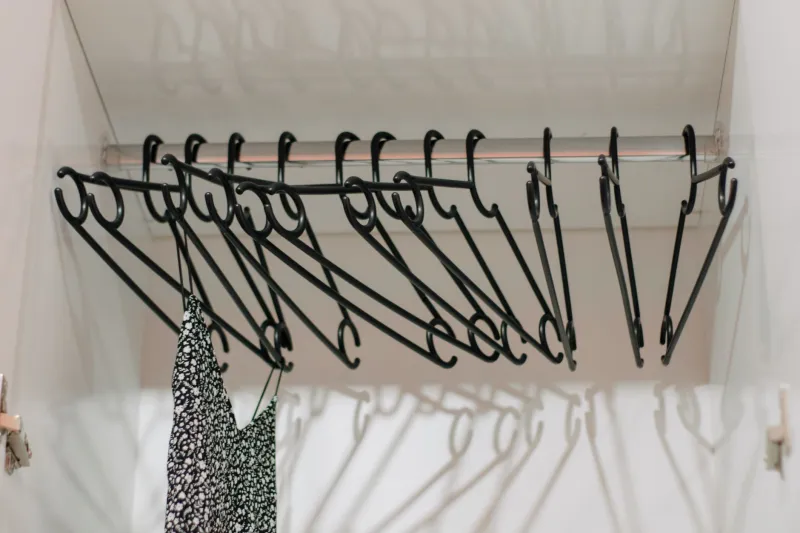
There is a particular kind of waste that rarely makes headlines. It is not the fast-fashion garment discarded after three wears, nor the impulse purchase still bearing its tag. It is something quieter and more personal: the genuinely well-made piece, purchased with care and good intentions, that has since drifted to the back of the closet and been forgotten entirely. Multiply that single garment across an entire wardrobe, and the financial and environmental cost becomes significant.
The solution is not always to buy better. Sometimes, it is to look harder at what you already have.
Why Good Clothes Disappear
Closets, by their nature, reward visibility. The items you reach for most are the ones you can see without effort — the shirt folded on top, the jacket hung at eye level. Everything else, however worthy, slowly becomes invisible through sheer proximity and repetition.
This phenomenon is compounded by the way most Americans accumulate clothing. Wardrobes grow through gifts, seasonal transitions, life changes, and occasional splurges. Each addition displaces something that came before. A well-constructed wool blazer purchased three years ago may now be buried beneath a layer of newer arrivals, not because it has diminished in quality, but simply because it has been obscured.
The result is a closet that feels simultaneously overcrowded and insufficient — a contradiction that often leads to more purchasing, which only deepens the problem.
The Rediscovery Audit: A Practical Starting Point
Conducting a genuine rediscovery audit differs meaningfully from a standard wardrobe cleanout. The goal is not to remove items, but to fully account for them. Begin by pulling everything out of your closet and laying it flat or hanging it in the open. This single act of physical displacement is more revealing than it sounds. Items you had mentally written off often look entirely different when removed from their crowded context.
As you work through each piece, ask yourself three specific questions:
Is this still in good condition? Examine stitching, fabric integrity, buttons, and zippers. A quality garment that has been neglected may simply need a minor repair or a professional press to be entirely wearable again. Do not conflate neglect with irreversible decline.
Have I simply forgotten how to wear this? Trends shift, and pieces purchased in a different style era can feel dated in isolation. But styling is not static. A structured trouser that felt out of place two years ago may integrate naturally into the way you dress today, particularly if the rest of your wardrobe has evolved toward cleaner, more considered choices.
Does it still fit the life I am actually living? This question cuts in both directions. Some pieces no longer suit your current context. Others, however, fit your life better now than when you bought them. A durable canvas work shirt purchased for a job you no longer hold may be exactly what you need for weekend projects or outdoor activities.
The Financial Case for Looking Inward First
Consider the economics plainly. A quality garment purchased at $180 and worn twelve times represents a cost-per-wear of $15. The same garment worn thirty-six times drops that figure to $5. The garment itself has not changed — only the frequency of use. Rediscovering and reintegrating forgotten pieces into regular rotation is, in precise financial terms, equivalent to recovering money you have already spent.
This is a form of return on investment that requires no additional outlay. It demands only attention and a willingness to engage with what you already own before defaulting to something new.
For consumers committed to building a wardrobe of lasting value, this principle is foundational. Every dollar spent on a quality piece earns its worth only through consistent use. A closet full of excellent, underutilized garments is not a wardrobe — it is a storage problem.
Styling Strategies for Forgotten Pieces
Once you have identified overlooked items worth reintegrating, the practical challenge becomes styling them within the context of how you dress today. A few approaches prove reliably effective.
Anchor the unfamiliar to the familiar. Pair a rediscovered piece with two or three items you already wear consistently. This grounds the less-familiar garment in a context that feels natural and reduces the mental friction of incorporating something that has been absent from your rotation.
Photograph your combinations. A simple photo on your phone of a complete outfit — including footwear — creates a reference you can return to without effort. Over time, this visual library makes it far easier to dress with intention and to remember which combinations actually work.
Treat the piece as new for thirty days. Commit to wearing a rediscovered item at least four times within a month. This deliberate repetition breaks the psychological association between novelty and value, and often reveals why you purchased the piece in the first place.
The Environmental Dimension
The environmental argument for this kind of internal audit is equally compelling, if less immediately personal. The production of clothing — even responsibly made clothing — carries a measurable environmental footprint. Every garment that goes unworn represents not only wasted money but wasted resources: water, labor, raw materials, and energy.
Extending the useful life of existing garments is among the most direct actions an individual consumer can take to reduce their environmental impact. It requires no certification, no new purchase, and no dramatic lifestyle change. It requires only the discipline to look carefully at what is already there.
A Different Relationship with Consumption
Perhaps the most lasting outcome of a genuine rediscovery audit is not the pieces it surfaces, but the shift in perspective it produces. When you learn to see your existing wardrobe as a resource rather than a backdrop for new purchases, the entire logic of shopping changes.
You begin to buy with greater deliberation, because you understand more clearly what you already have. You reach for quality over novelty, because you have experienced firsthand how well-made pieces endure. You spend less, not through deprivation, but through genuine sufficiency.
At Steadfast Apparel, we hold that the most considered approach to dressing is not simply about acquiring better things. It is about fully inhabiting the things you already own — wearing them with purpose, caring for them with attention, and recognizing their worth before looking elsewhere.
Your next great outfit may not require a single new purchase. It may simply require a closer look at what has been waiting for you all along.