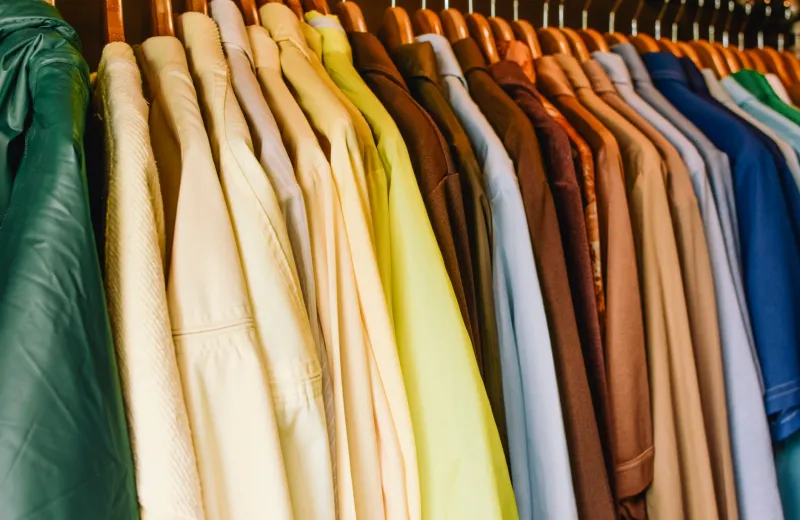
Everything You Need, Nothing You Don't: The Art of Traveling with a Purposeful Wardrobe

There is a particular kind of freedom that comes from walking off a plane with only the bag on your shoulder. No checked luggage fees. No waiting at the carousel. No risk of an airline misplacing the one bag that contains everything you brought. For many Americans, this freedom feels aspirational—something reserved for minimalists or those who simply don't care how they look on the road. In reality, it is neither. It is the natural outcome of dressing with intention.
The traveler who has invested in well-made, versatile clothing discovers something quickly: quality pieces do not merely look better—they function better. They resist wrinkles. They hold their shape after a long flight. They transition between a morning hike, an afternoon meeting, and an evening dinner without requiring a costume change or an extra suitcase. When your wardrobe is built on these principles at home, the act of packing for travel becomes an exercise in curation rather than compromise.
Why Quality and Minimalism Are Natural Partners
Fast fashion was never designed with the traveler in mind. Thin fabrics wrinkle under pressure—literally. Trend-driven silhouettes resist pairing with anything outside their intended outfit. Colors chosen for seasonal novelty rather than longevity clash with everything else in your bag. When you pack ten items that work in only ten specific combinations, you have not packed a wardrobe. You have packed a series of isolated outfits.
Conscious dressing operates on a different logic entirely. A well-chosen merino wool crewneck, for instance, regulates temperature across a surprising range of climates, resists odor well enough to wear multiple days between washes, and pairs credibly with everything from chinos to dark denim. That is not one outfit—that is a foundational piece capable of anchoring a dozen combinations. Multiply that principle across five or six thoughtfully selected items, and a carry-on becomes genuinely sufficient for a ten-day trip.
The environmental dimension of this approach deserves equal acknowledgment. Fewer garments in your bag means fewer garments produced, purchased, and eventually discarded. When travelers resist the impulse to buy cheap, trip-specific clothing—only to abandon it at the hotel—they reduce the demand that sustains disposable fashion. Packing light and packing well is, in this sense, an act of quiet responsibility.
Building Your Travel Wardrobe Around a Core Palette
Color discipline is perhaps the most undervalued skill in travel packing. A wardrobe built around two or three neutral tones—navy, stone, charcoal, or olive, for example—creates near-infinite combinatorial possibilities within a compact set of pieces. Every top pairs with every bottom. Every layer works over every base. The decision fatigue that derails so many travel mornings simply does not occur when everything in the bag is already compatible.
This does not mean dressing without personality. A single item in a richer tone—a deep burgundy overshirt, a forest green knit—can serve as the accent piece that distinguishes one outfit from another across multiple days. The key is that it is one accent, not five competing for dominance.
When selecting the palette for a travel capsule, consider the destinations involved. Coastal environments in late spring require different neutrals than mountain towns in early autumn. The palette should respond to context, but the principle of internal coherence remains constant.
The Pieces Worth Prioritizing
Within the constraints of a carry-on, certain categories of clothing earn their place more reliably than others.
A structured, breathable outer layer. Whether a lightweight technical jacket or a refined field coat, this piece manages weather, completes a dressed outfit, and often doubles as a blanket on a cold flight. It should be the first item packed and the last one reconsidered.
Two to three versatile bottoms. Dark-rinse denim remains among the most travel-efficient garments ever made—durable, presentable in most settings, and slow to show wear. A well-tailored chino in a neutral tone covers the remaining ground. Three pairs of pants for ten days is not a sacrifice; it is a deliberate choice.
Four to five tops that earn their weight. Each shirt, tee, or knit should be capable of operating in at least three distinct outfit configurations. If a piece only works in one context, it has not earned its space in the bag.
Footwear limited to two pairs. This is where many travelers lose the carry-on battle. A clean, minimal leather sneaker or a refined casual shoe handles the majority of travel scenarios. One additional pair—whether a lightweight hiking shoe for active days or a sleeker option for formal evenings—covers the remainder. Beyond two pairs, the marginal utility drops sharply while the bulk increases significantly.
Merino wool or performance fabric base layers. These are the invisible workhorses of travel packing. They manage temperature, reduce the need for frequent washing, and compress efficiently. Investing in one or two quality base layers reduces the total number of garments required across a trip.
The Packing Discipline That Makes It Work
Even the most thoughtfully curated travel wardrobe fails without consistent packing discipline. Rolling rather than folding reduces volume and minimizes creasing in most fabric types. Compression packing cubes—used judiciously—organize the bag without adding meaningful weight. Wearing the bulkiest items on travel days rather than packing them frees significant space.
Perhaps most importantly, the pre-trip audit matters. Laying every intended item on a flat surface and constructing actual outfits—not hypothetical ones—reveals redundancies and gaps before they become problems at the destination. If a piece does not contribute to at least three viable combinations with what else is in the pile, it should remain at home.
The traveler who completes this process honestly will almost always find they had planned to bring too much. That realization, repeated across enough trips, gradually reshapes how one dresses in general—not just on the road.
Traveling Well as a Form of Dressing Well
There is an argument to be made that travel reveals the true character of a wardrobe. Clothing that performs under the pressures of transit, variable weather, unfamiliar settings, and extended wear is clothing worth keeping. The pieces that emerge from a two-week trip looking as composed as when they were packed are the pieces that belong in a long-term wardrobe.
At Steadfast Apparel, this is the standard we apply to every garment we consider recommending. Not whether it photographs well in a single setting, but whether it holds up across the full range of demands that real life—and real travel—places on it. The carry-on is simply a useful test. When your wardrobe passes it, you will know you have built something worth having.