What the Label Is Really Telling You: A Buyer's Guide to Reading Fabric and Construction

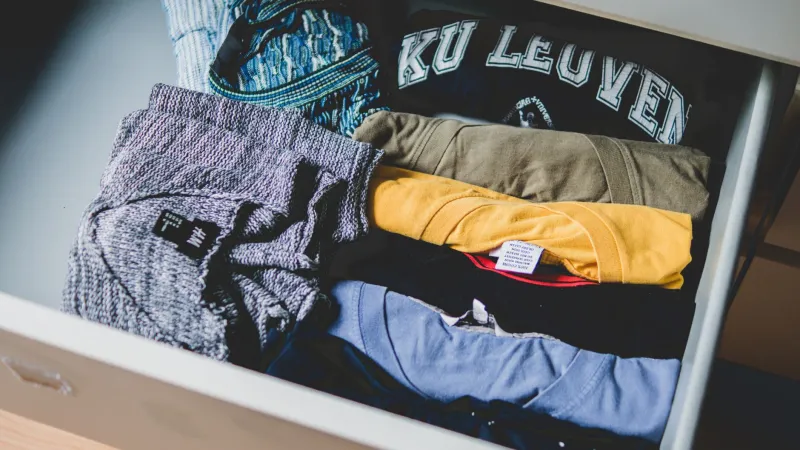
Photo by Photo by Hendrik Morkel on Unsplash on Unsplash
Most shoppers glance at a care label once—usually after a garment has already shrunk in the wash—and never think about it again. That is a significant missed opportunity. The small strip of text sewn into a collar or waistband is one of the most honest things a manufacturer will ever tell you about their product. Learning to read it properly can save hundreds of dollars and dozens of poor purchasing decisions over a lifetime.
This guide is designed to give you the vocabulary and the framework to evaluate what you are actually buying, before you buy it.
Start With Fiber Content: Natural vs. Synthetic
The fiber content percentage listed on every American garment label (required by the FTC's Textile Fiber Products Identification Act) is the single most informative data point available at point of purchase. Understanding what those percentages mean in practical terms is the foundation of intelligent fabric evaluation.
Natural Fibers to Prioritize
- Cotton: Durable, breathable, and improves with washing over time. Look for 100% cotton in casual and workwear contexts. Ring-spun cotton, which produces a tighter, smoother yarn, is noticeably stronger than standard open-end spun cotton—though the label will not always specify this. A heavier hand feel is generally a reliable proxy.
- Wool: Among the most resilient natural fibers available. Wool resists wrinkles, regulates temperature effectively, and does not require frequent washing. Merino wool specifically offers fine softness alongside durability. A label reading "100% wool" or "100% merino wool" without qualifiers is a positive indicator.
- Linen: Exceptionally strong—stronger than cotton at equivalent weight—and becomes softer with each wash. Linen wrinkles readily, which some consumers find objectionable, but its structural integrity over years of use is difficult to match.
- Silk: Strong relative to its weight but requires careful handling. Best reserved for garments where longevity through gentle use is the goal rather than daily wear durability.
Synthetic Fibers: Context Matters
Synthetics are not inherently inferior, but they perform differently and age differently than natural fibers.
- Polyester: Resistant to shrinking and wrinkles, but pills with friction over time and does not breathe well. A high polyester content in a dress shirt or trouser is generally a durability compromise.
- Nylon: Extremely abrasion-resistant, making it genuinely appropriate for outerwear, activewear, and bags. In these applications, nylon content is a positive signal.
- Spandex/Elastane: Small percentages (two to five percent) added to structured garments improve fit retention and recovery. Higher percentages in casual wear tend to degrade faster under repeated washing.
- Rayon/Viscose: Often marketed as a natural-feeling fabric, but rayon is chemically processed and significantly weaker when wet. Garments with high rayon content tend to distort and pill relatively quickly.
Blends: Reading Between the Lines
A blend listed as "60% cotton, 40% polyester" is not the same as a "98% cotton, 2% elastane" blend. The former sacrifices breathability and natural aging for cost reduction; the latter preserves the character of cotton while adding modest stretch recovery. When evaluating a blend, ask which fiber is primary and what purpose the secondary fiber appears to serve.
Weight and Weave: What Your Hands Can Tell You
Fiber content describes what a fabric is made of. Weight and weave describe how it is constructed—and construction is equally important to longevity.
Fabric Weight
Fabric weight is measured in grams per square meter (GSM) or ounces per square yard (OZ). Labels rarely state this directly, but your hands can approximate it. Heavier fabrics generally indicate more material per unit area, which correlates with durability. As a rough reference:
- T-shirts: 150–180 GSM is considered standard; 200 GSM and above indicates a heavier, more durable construction
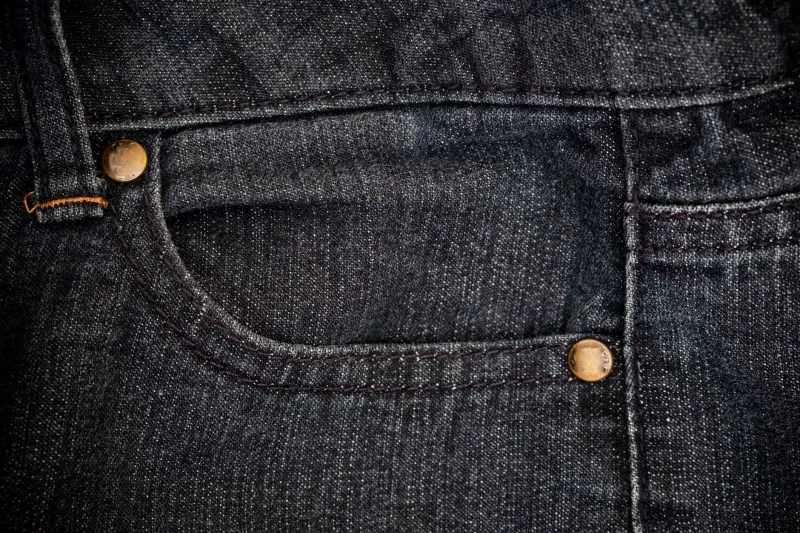
- Denim: 12–14 oz is standard; 14.5 oz and above is considered heavyweight and significantly more durable
- Dress shirts: 100–120 GSM is lightweight and prone to wear; 140 GSM and above holds up better over time
When a label is unavailable, hold the fabric up to light. A fabric through which light passes easily is lighter weight. A fabric that blocks light substantially is heavier.
Weave Structure
- Plain weave (visible as a simple over-under grid) is the most common and generally the most durable for everyday use.
- Twill weave (identifiable by diagonal lines on the fabric surface) produces a denser, more abrasion-resistant fabric. Denim, chinos, and many suiting fabrics are twill-woven.
- Sateen and satin weaves produce a lustrous surface but sacrifice some durability due to longer float threads that catch and snag more easily.
- Knit constructions (jersey, interlock, rib) stretch and recover rather than weave rigidly. Tighter knits with finer gauge generally hold their shape longer.
Ply Count and Thread Count: Useful Signals With Limits
In shirting and bedding, thread count is frequently cited as a quality indicator. In practice, thread count above 400 in cotton shirting often indicates the use of multi-ply threads counted individually—a marketing convention that does not reliably predict quality. More useful is the ply count of the yarn itself.
A two-ply fabric is made from two yarns twisted together before weaving, producing a stronger, more consistent thread than single-ply construction. When a label or product description specifies "two-ply" or "2S" construction, this is a genuine quality indicator worth noting.
Finishing and Construction Details: The Physical Inspection
Beyond the label, the garment itself offers several legible quality signals.
- Stitch density: Count the stitches per inch along a seam. Eight to ten stitches per inch is standard; twelve or more indicates finer, stronger construction.
- Seam finishing: Look at the interior of the garment. Raw, unfinished seam allowances suggest cost-cutting. Serged, French-seamed, or flat-felled seams indicate a manufacturer who has invested in construction quality.
- Button and buttonhole quality: Buttons should be sewn with adequate thread shanks. Buttonholes should be cleanly finished with no loose threads. On quality shirts, buttonholes are often sewn perpendicular to the button placket to resist stress more effectively.
- Pattern matching: On plaid or striped fabrics, check whether the pattern aligns at seams. Pattern matching requires additional fabric and precise cutting—manufacturers who do it are signaling a commitment to craft.
Putting It Together at the Point of Purchase
The next time you are standing in a store or evaluating a garment online, move through these checkpoints in sequence: fiber content first, then weight and hand feel, then construction details. A garment that scores well across all three categories is a genuine candidate for long-term ownership. One that scores poorly in two or more is likely to disappoint within a season.
At Steadfast Apparel, our conviction is that quality is legible—that the evidence of a garment's durability is present in the object itself, available to any consumer who knows where to look. The label is the beginning of that conversation. The fabric, the seams, and the construction are the rest of it.
Read carefully. Buy accordingly.