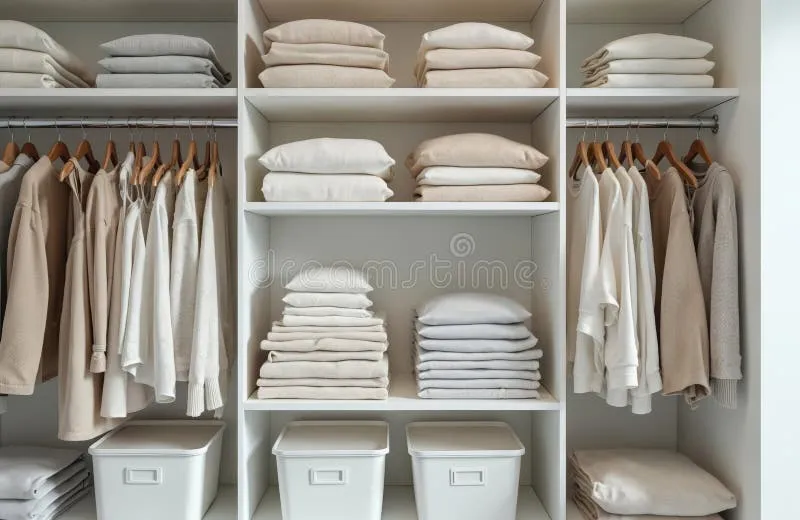
The Problem with Ten Pieces: Why Genuine Quality Dressing Demands More Than a Formula
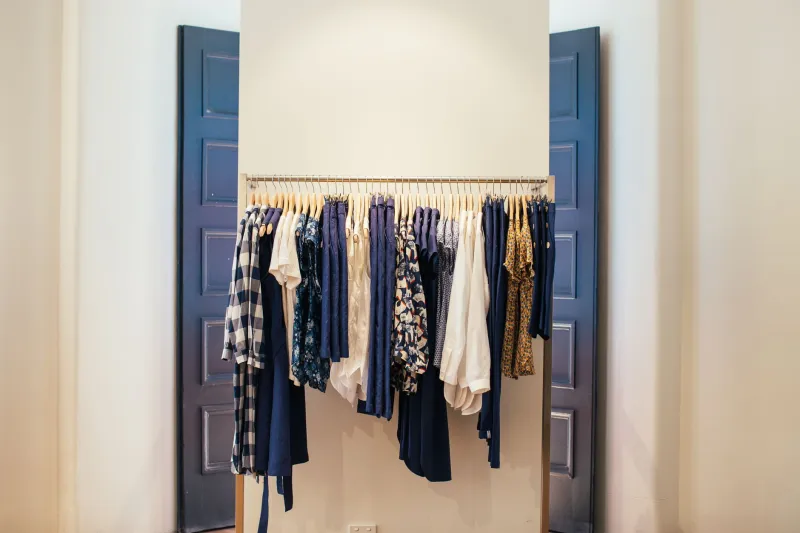
The capsule wardrobe has spent the better part of a decade as the reigning ideal of conscious dressing. Lifestyle publications, sustainability advocates, and minimalist influencers have collectively settled on a compelling premise: own fewer things, make better choices, live more deliberately. The logic is appealing in its simplicity. Reduce the closet, reduce the noise.
But simplicity, when applied without nuance, has a way of becoming its own kind of problem.
At Steadfast Apparel, the principle we return to is not how few you own—it is how well what you own performs. Those are related ideas, but they are not the same idea. And conflating them has led a great many people to build wardrobes that look disciplined on paper while quietly failing them in practice.
Where the Capsule Formula Falls Short
The standard capsule wardrobe prescription typically involves a defined ceiling—ten items, fifteen, perhaps thirty if the author is feeling generous—organized around neutral colors and versatile silhouettes. The appeal is real. A smaller, more coherent wardrobe does reduce decision fatigue, and it can absolutely encourage more deliberate purchasing.
The difficulty is that the formula was designed around an abstracted lifestyle, not any particular person's actual one. A middle school teacher in Minneapolis has a fundamentally different set of daily demands than a freelance architect in Austin or a nurse in suburban New Jersey who also coaches youth soccer on weekends. No single numeric ceiling accounts for the range of contexts, climates, and physical demands that real American lives actually involve.
When a rigid count is imposed on a life that doesn't fit it, something has to give. Either the wardrobe begins to fail—clothes worn past their reasonable lifespan because the rules don't allow for replacements or additions—or the person quietly abandons the system and feels vaguely guilty about it. Neither outcome serves the deeper goal of owning clothing thoughtfully.
The Distinction Between Restriction and Intention
Minimalism as a philosophy has genuine value. The impulse to examine what you own and ask whether it is earning its place is a sound one. The problem arises when the examination is replaced by a count.
Intentionality in dressing means understanding why each piece is in your closet. It means knowing what it does for you, when it gets worn, how it holds up, and what it would cost you—practically and financially—to replace it. That kind of knowledge has nothing to do with whether you own nine items or forty.
A person who owns forty pieces and can account for every single one—who wears each garment regularly, maintains it properly, and chose it with genuine consideration for quality and longevity—is dressing more sustainably than someone who owns twelve pieces selected primarily to satisfy a formula, three of which don't quite fit and two of which are already beginning to pill.
The number is not the discipline. The discipline is the discipline.
Quality Dressing Often Requires More, Not Less
Here is something the capsule wardrobe conversation tends to avoid: dressing well for a full, varied life often requires more pieces than minimalist doctrine comfortably permits—provided those pieces are chosen with rigor.
Consider the practical reality of American seasonal variation. Someone living in Chicago or Denver or Boston requires genuinely different clothing for January than for July. A true four-season wardrobe, built from durable, high-quality pieces that will last years rather than months, will naturally exceed a ten-item ceiling. That is not a failure of discipline. That is an honest response to climate.
The same logic applies to professional and personal context. A person who works in a formal office environment, coaches a recreational sport, attends occasional formal events, and spends weekends outdoors is not being indulgent by owning clothing suited to each of those settings. They are being practical. The alternative—forcing a handful of pieces to perform across all those contexts—accelerates wear, compromises appearance, and ultimately costs more in replacements.
Sustainability, properly understood, is not about owning the fewest things. It is about consuming thoughtfully, buying for longevity, and getting the fullest possible use out of everything you bring into your closet. Sometimes that means fewer items. Sometimes it means a carefully considered wardrobe of considerable breadth.
What Earned Its Place?
The more useful question to ask of any piece in your wardrobe is not whether it contributes to a target number. It is whether it has genuinely earned its place.
An item earns its place by being worn consistently, by performing the function for which it was purchased, by holding up under the conditions your life actually imposes on it, and by being something you reach for rather than overlook. A garment that checks all of those boxes belongs in your closet regardless of what the count currently reads. One that fails on most of those measures does not belong there even if removing it would bring you closer to some prescribed ideal.
This reframing shifts the work of building a wardrobe from arithmetic to genuine self-knowledge. It requires you to understand your own life clearly enough to know what you actually need—not what a generalized framework suggests you should need.
Building a Wardrobe That Serves Your Actual Life
The practical starting point is an honest audit of how you live. Not how you aspire to live, not the version of your routine that looks best on a lifestyle blog, but the actual daily and weekly pattern of your existence. What are you doing, where are you going, what do those activities demand of your clothing?
From that foundation, build outward. Identify the genuine gaps—the contexts that currently leave you without something that fits and performs appropriately. Fill those gaps with the best-quality pieces you can reasonably invest in. Prioritize construction, fiber content, and proven durability over trend responsiveness or brand visibility.
Then hold the line—not on a number, but on the standard of earned presence. Every addition to your wardrobe should displace something or fill a genuine void. Every piece should be chosen with the expectation that it will serve you for years, not seasons.
That is not a capsule. It is something more honest and more durable: a wardrobe built around the actual shape of your life, held to a standard of quality rather than a limit of quantity. It is, in the truest sense, a wardrobe built to last.